1. Inspect
Check the can regularly until you understand your truck's collection rate.

Crankcase control / Billet aluminum
Vehicle-specific catch can systems intercept oil, fuel and water vapor before it recirculates through the turbo, intercooler and intake.
Control the blow-by path
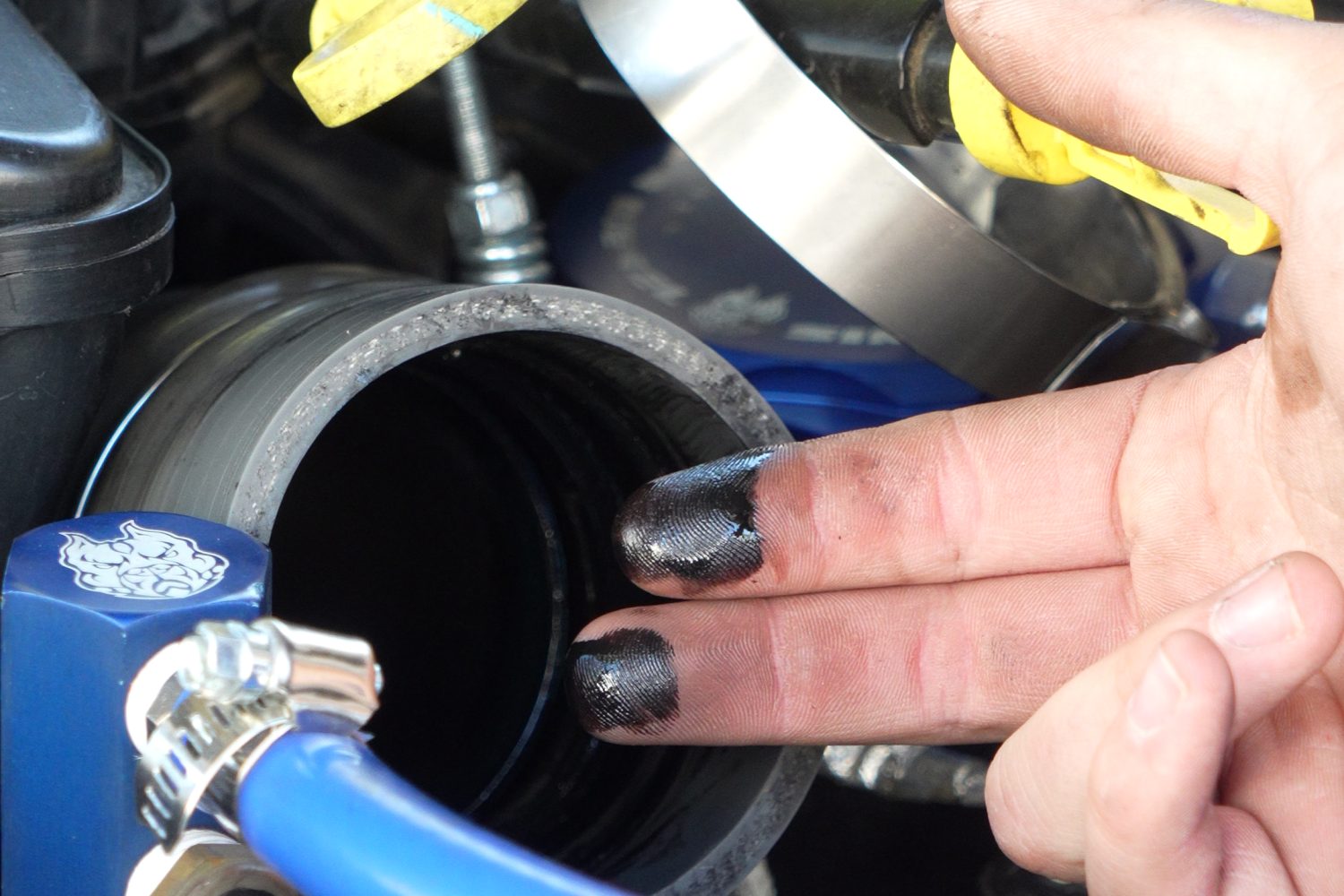
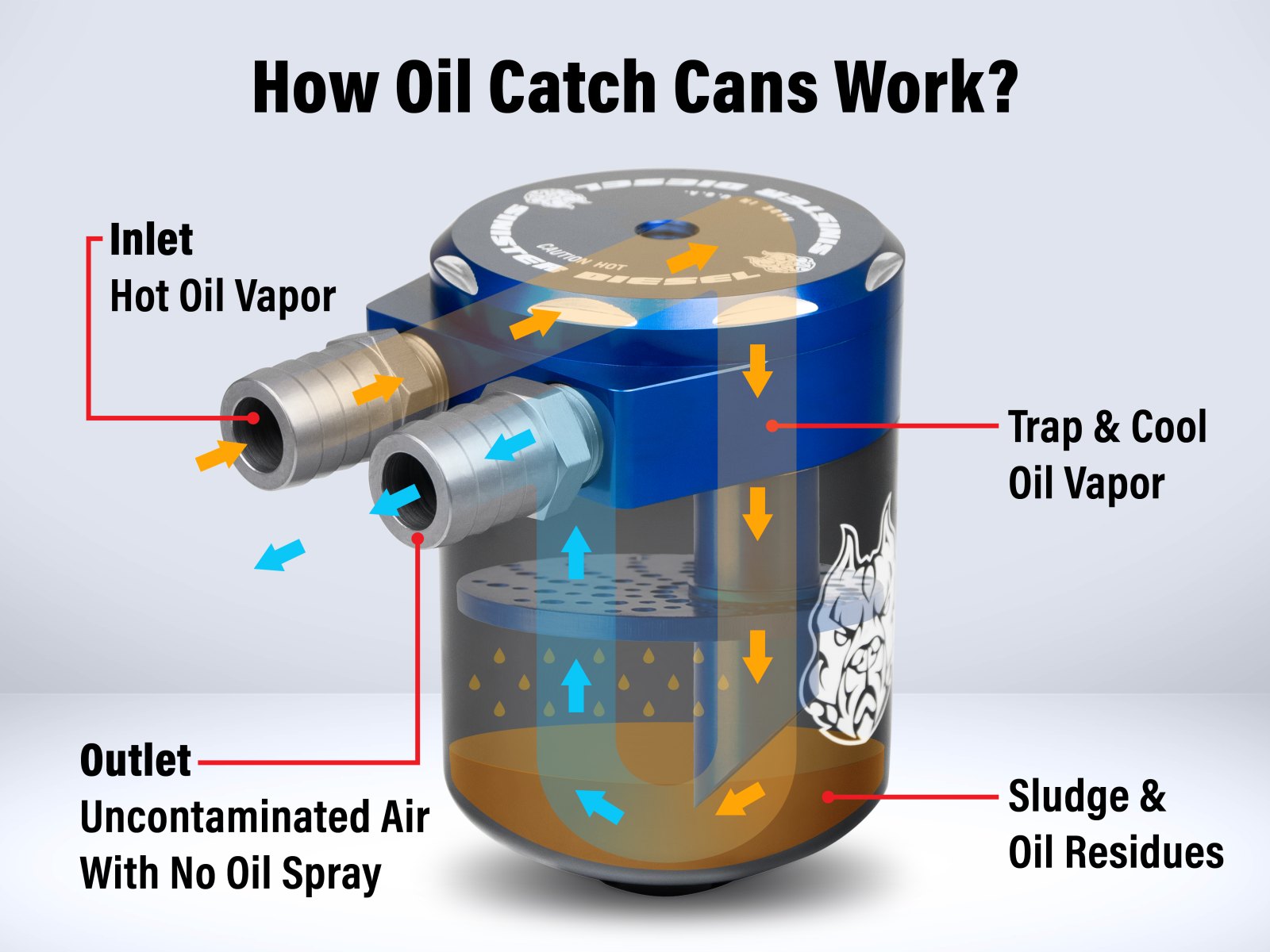
Crankcase ventilation carries suspended oil, fuel and moisture. The baffled can slows that vapor stream, captures contaminants and returns cleaner air to the intake path.
Choose your application
Use the exact model-year path below. Each card opens the product page with current price, availability and kit contents.
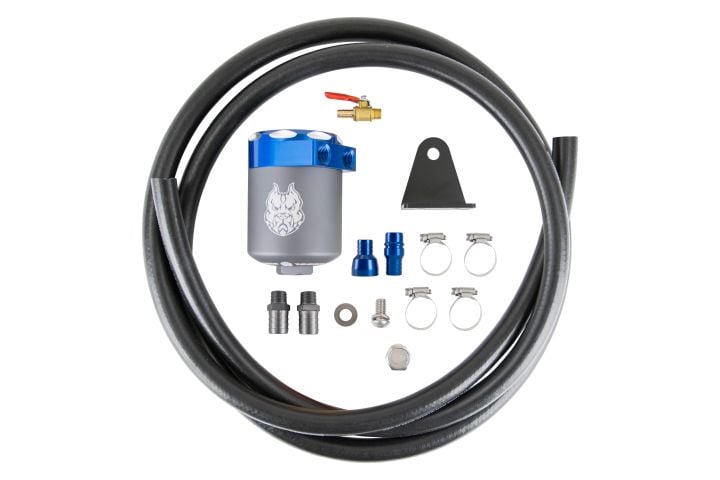
Powerstroke 6.7L
Late-model Super Duty crankcase vapor control.
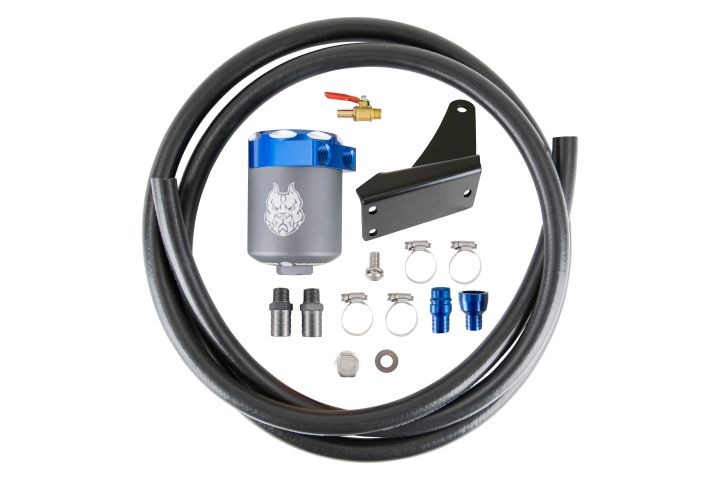
Powerstroke 6.7L
Application-specific routing for first-generation 6.7L trucks.

Powerstroke 6.4L
Billet separation for the 6.4L Powerstroke platform.
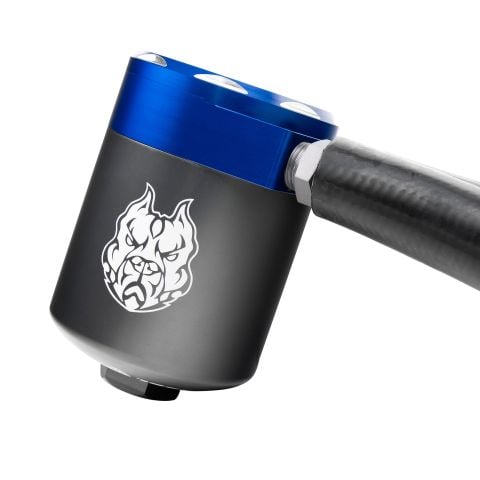
Powerstroke 6.0L
Purpose-built CCV management for 6.0L engine bays.
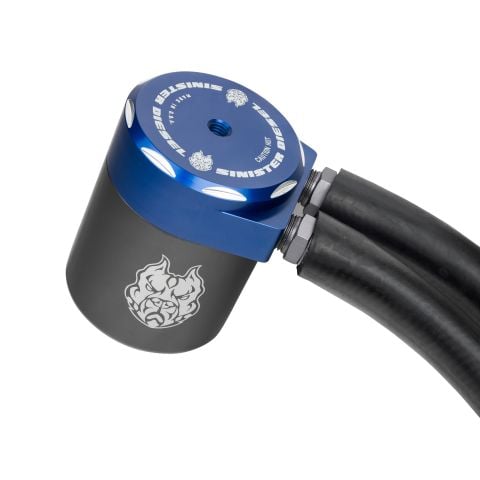
Cummins 6.7L
High-flow vapor separation for late-model Cummins trucks.
Maintenance made visible
A serviceable catch can does more than protect the intake—it shows how much contamination the crankcase system is carrying between service intervals.
Check the can regularly until you understand your truck's collection rate.
Empty captured fluid before capacity is reached and dispose of it responsibly.
Confirm hoses, clamps and fittings remain secure at every oil service.
Driving conditions and engine health determine the right inspection interval.
Before installation
The Sinister Diesel Oil Catch Can helps capture oil mist, moisture, and other contaminants carried through your engine's Crankcase Ventilation (CCV) system. During normal engine operation, crankcase blow-by gases can contain tiny droplets of oil, water, and fuel that would otherwise travel back into your engine's intake system.
By separating and collecting these contaminants before the gases return to the factory intake, the Sinister Diesel Catch Can helps reduce oil buildup in your intake piping, intercooler, and other intake components. This helps keep your diesel engine's intake system cleaner over time while maintaining the functionality of your factory CCV system.
No. Mounting, hose routing and fittings vary by engine and model year, which is why the application cards link to distinct vehicle-specific kits.
The Sinister Diesel Oil Catch Can should be inspected and drained regularly to prevent excessive oil and moisture buildup. We recommend checking your catch can frequently after installation to determine how quickly it collects oil, water, and other contaminants from your engine's Crankcase Ventilation (CCV) system.
The amount of fluid collected will vary depending on engine condition, crankcase blow-by, driving habits, towing frequency, and climate. Engines with higher blow-by or trucks operating in cold weather may require more frequent draining.
Once you understand your truck's collection rate, establish a regular maintenance schedule. Never allow the catch can to overfill, as this can reduce its effectiveness and potentially interfere with proper crankcase ventilation.
Tip: Make checking your diesel catch can part of your routine oil change and vehicle maintenance inspections, but drain it sooner whenever necessary.
No. The Sinister Diesel Catch Can works in conjunction with your truck's factory Crankcase Ventilation (CCV) system rather than replacing or deleting it.
Our catch can installs inline with the existing CCV system, allowing crankcase vapors to pass through the catch can before returning to the factory ventilation system. As these vapors travel through the catch can, it helps separate and collect oil mist, reducing the amount of oil contamination entering your engine's intake system.
The result: Added protection against oil buildup while maintaining your factory CCV system's functionality.
The catch can is a mechanical crankcase-vapor management system and does not require ECU tuning.

Copyright 2026 Sinister Mfg. Company, Inc.. Not responsible for errors or omissions anywhere on this website . Sinister Diesel reserves right to modify, change or cancel any offer before, during and/or after any sale or transaction. Sinister Diesel ®. Copyright 2021.Sinister Diesel ®, Sinister ®, Sinister Blue ®, the color blue, Master Solution ®, Basic Solution ®, Complete Solution ®, American Born and Bred ®, Unleash Your Truck ®, Pitbull Series ®, Undelete Kit ®, Undelete Your Truck ®, Undelete My Truck ®, the Sinister Diesel logo, Spooled Up ® and all related names, product, designs and slogans, service marks, trade names, and trade dress, whether registered or unregistered that appear on this Website are proprietary to Sinister Diesel its affiliates, its licensors or their respective owners. All Rights Reserved.